
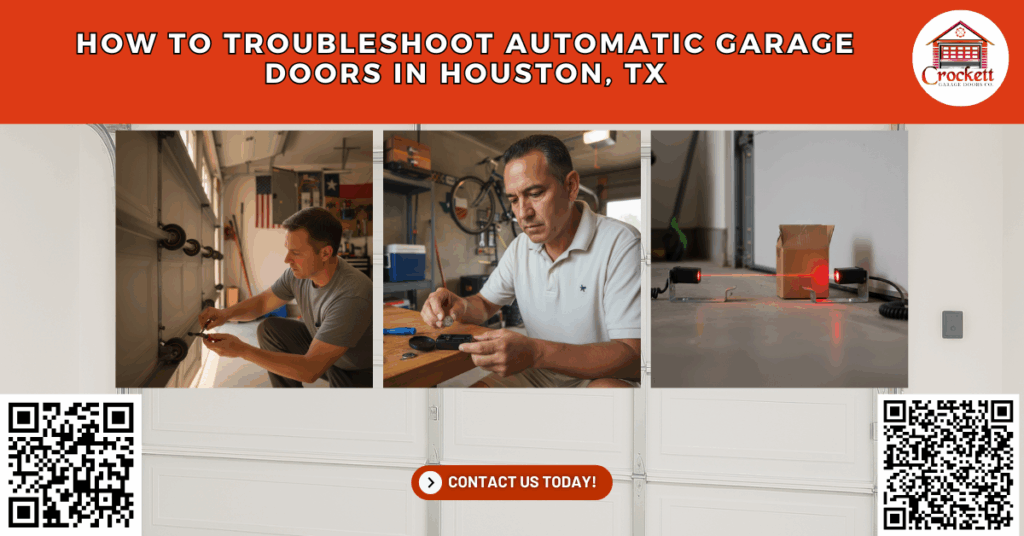
It was an early morning in Spring, Texas, and a homeowner was preparing to leave for work when their automatic garage door refused to open. The remote was functioning, the opener buzzed, but the door remained still. After a call to our team, Crockett Garage Doors Co., our trained technicians arrived promptly on site. What we discovered was a misaligned safety sensor and a stripped gear inside the opener system. With a few repairs and professional recalibration, the garage door was soon working as smoothly as ever. This is just one of many real-world examples of how automatic garage doors, while convenient, can develop issues that require attention.
According to the United States Department of Energy, nearly 63 percent of homes in the country include a garage or carport. In Houston and surrounding areas like Spring and Liberty, the number is even higher due to the climate and home design preferences. Automatic garage doors offer unmatched convenience, especially in modern households, where a simple push of a button can initiate access to your home. However, when these systems fail, they disrupt daily routines and can pose security concerns.
At Crockett Garage Doors Co., we specialize in professional installation, maintenance, and repairs of automatic garage doors. Whether your garage door is stuck halfway, making loud noises, or has completely stopped working, this comprehensive guide will help you understand how to troubleshoot common problems effectively. This article also explores key features of these innovative systems, common maintenance tips, and guidance on when to seek professional garage door services. We have also included practical advice to help you choose the right system and keep your garage in top shape year-round.
What Are Automatic Garage Doors?
Automatic garage doors are electrically powered systems designed to open and close with the help of a garage door opener. These systems consist of several components working together to create smooth, secure, and energy-efficient access to your garage. The primary components typically include the garage door panel, tracks, rollers, torsion springs, safety sensors, weather seals, and the electric garage door opener. These parts must be properly aligned and regularly maintained for the door to function reliably.
In Houston and surrounding zip codes, where homes are designed for both functionality and style, automatic garage doors have become essential features. They provide multiple advantages, such as improved energy efficiency, enhanced curb appeal, added protection from inclement weather, and better security for your vehicles and belongings. Whether you are installing a new garage door or upgrading your current garage, it is important to select a system that matches your home’s specific needs and environmental conditions.
Key Features of Automatic Garage Doors
Some of the most valuable features of automatic garage doors include remote control operation, motion detection lighting, backup battery power, Wi-Fi and smartphone compatibility, and advanced safety sensors. These features not only increase the overall convenience of the system but also contribute to your home’s safety and energy efficiency. For example, smart home integration allows homeowners to monitor and control their garage door remotely, enhancing security and offering peace of mind while away.
Common Issues with Automatic Garage Doors
Understanding the types of problems that can arise with your automatic garage door is the first step toward resolving them. Below are the most frequently encountered issues in homes across the Greater Houston area, along with explanations and real-life context.
Garage Door Refuses to Open or Close
This is one of the most frustrating issues homeowners face. Common causes include:
- Power disruptions
- Remote control malfunctions
- Broken torsion springs
- Misaligned safety sensors
- Stripped gears in the opener system
We once assisted a homeowner in the Richmond area whose garage door froze during a thunderstorm. The issue was traced back to a power surge that damaged the opener circuit board. With a new control unit installed and surge protection added, the door was restored to working condition. Always make sure your garage door opener is connected to a surge-protected outlet to avoid similar problems.
Uneven or Crooked Movement
When a garage door lifts unevenly or appears slanted, it is usually caused by a broken spring or a damaged lift cable. This imbalance not only affects the operation but also puts stress on other components. Continuing to use the door in this state may result in additional wear or even complete failure of the opener system. It is critical to avoid operating an unbalanced door and call professionals for immediate repairs.
Excessive Noise During Operation
Unusual noises coming from the garage door can indicate a mechanical issue. Squeaking, grinding, or rattling may point to:
- Dry or worn-out rollers
- Loose hardware
- Bent tracks
- Faulty opener gears
Applying garage-door-specific lubricant to the rollers, hinges, and track can reduce friction and noise. However, if the noises persist, an inspection by a certified technician is advised.
Door Reverses Unexpectedly
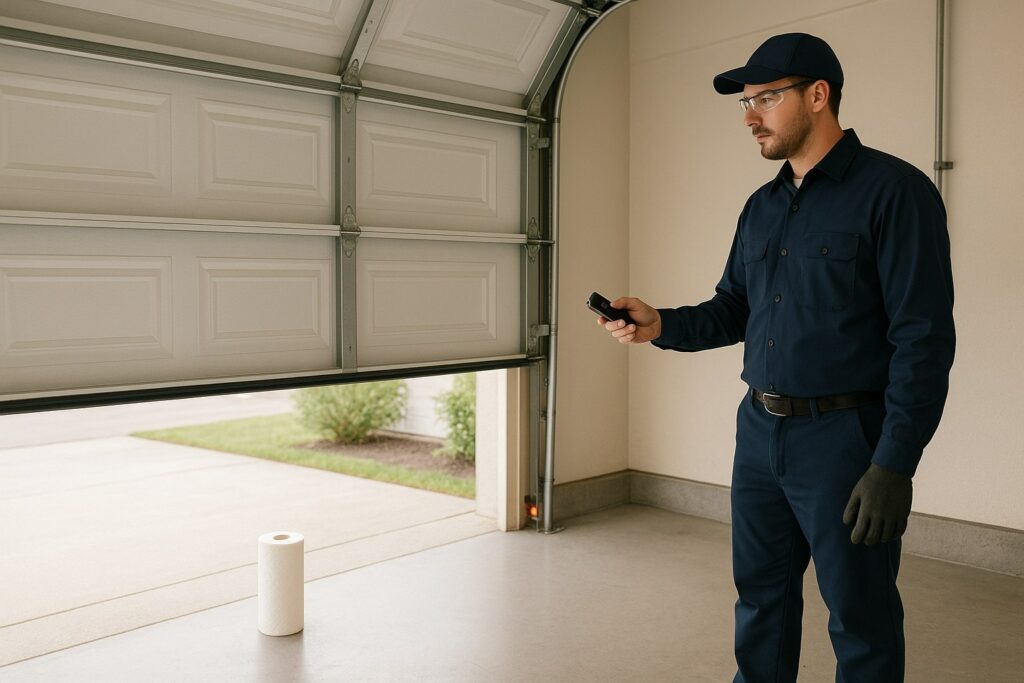
A door that starts to close but immediately reverses may be experiencing problems with its safety sensors. These photo-eye sensors detect movement or obstructions. If misaligned or dirty, they may prevent the door from closing.
To correct this issue, clean the sensor lenses and check the alignment. The sensors should face each other directly. For doors exposed to bright sunlight, glare can also cause malfunction. Installing sun shields or using polarized sensors can help resolve such issues.
Nonfunctional Remote or Keypad
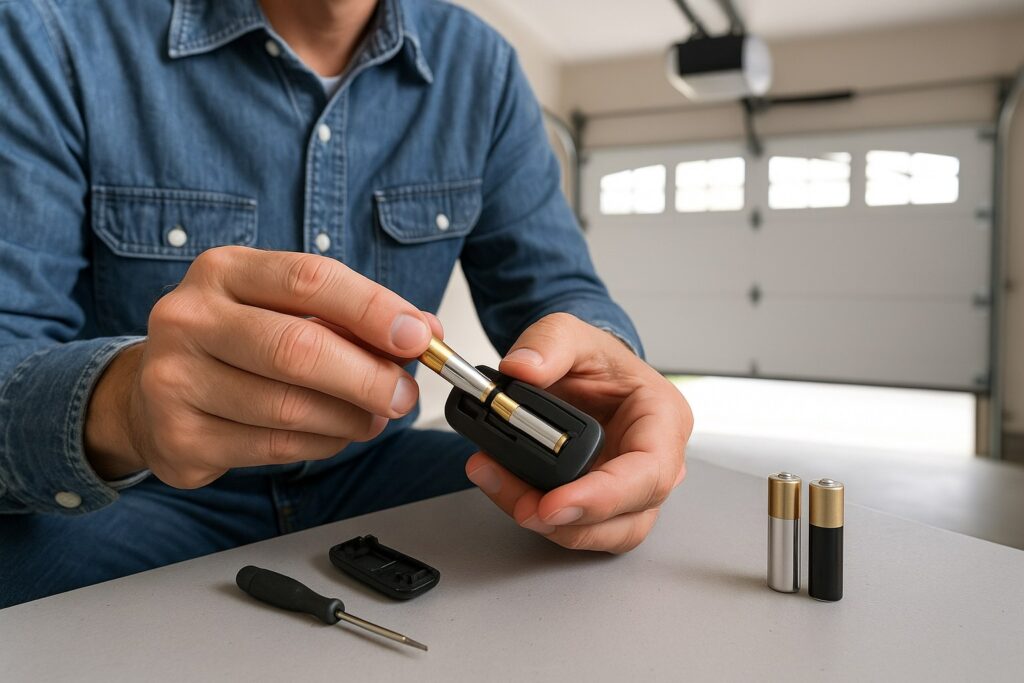
If your remote control or keypad fails, it could be due to weak batteries, poor signal range, or interference from nearby electronic devices. Additionally, smart openers require periodic firmware updates through their associated apps to function properly.
Make sure your remote is paired correctly and replace its batteries regularly. If your keypad is wireless, check for proper syncing with the opener. Smart systems may need a reset or software update to restore connectivity.
Step-by-Step Troubleshooting Guide
When your garage door system starts acting up, follow this structured troubleshooting guide to identify the issue and determine whether it requires professional help.
Step 1: Confirm Power Supply
Ensure the garage door opener is plugged into a working outlet. Test the wall switch to confirm electrical connectivity. If nothing works, inspect your breaker box. Reset any tripped breakers and check for signs of damage in the power cable.
Step 2: Examine the Remote and Keypad
Try operating the door using the wall button. If successful, the issue likely lies with the remote or keypad. Replace batteries, ensure the keypad is not obstructed by weather elements, and reprogram the remote if necessary.
Step 3: Check the Safety Sensors
Inspect the small boxes near the base of each side of the garage opening. These are the safety sensors. Make sure they are clean, unobstructed, and perfectly aligned. A blinking light or uneven light color usually indicates misalignment.
Step 4: Observe and Listen
Watch the movement of the door closely and listen for unusual sounds. Jerky movements or grinding noises suggest internal wear or mechanical failure. Pause usage and arrange for professional inspection if these signs persist.
Step 5: Test Manual Operation
Pull the emergency release cord to switch the door to manual mode. Try lifting it halfway. If the door is very heavy or slams shut, the spring system is likely compromised and must be professionally repaired.
Additional Troubleshooting Tips
- Do not attempt to repair springs or cables yourself; they are under extreme tension.
- Always unplug the opener before inspecting internal components.
- Keep a flashlight handy during troubleshooting for better visibility.
- Review your owner’s manual for model-specific tips.
When to Call a Professional
Although some problems can be fixed with basic troubleshooting, there are times when professional help is necessary. Call our experts at Crockett Garage Doors Co. if you notice:
- Repeated failure after basic resets
- Broken or rusted springs
- Burnt-out motors or damaged opener gears
- Visual warping of the door or track
- System failure after power surges
Our licensed technicians are trained to assess and correct complex mechanical and electrical issues, ensuring that your door is restored to safe, functional condition.
Houston-Specific Garage Door Challenges
Homeowners in the Houston area deal with a unique set of climate conditions that affect the durability and performance of automatic garage doors.
Heat and Sunlight Exposure
High temperatures can cause vinyl weather seals to dry out and crack. Constant sun exposure may warp wooden doors and fade painted finishes. Using UV-resistant paint and high-quality materials can prolong the door’s lifespan.
Rainfall and Flood Risk
Heavy rains can lead to electrical problems if water seeps into the opener housing. Raised garage installations and proper drainage solutions are recommended. In flood-prone zip codes, consider waterproofing and elevated door sills.
Strong Winds
Storms and hurricanes can exert high pressure on garage doors. Installing wind-resistant reinforcements and checking the condition of brackets, hinges, and panels can help protect your home during severe weather.
Preventive Maintenance Tips
- Schedule semi-annual tune-ups by a certified technician
- Keep your garage door clean and free of debris
- Replace weather stripping once per year to maintain insulation and energy efficiency
- Lubricate moving parts every three to six months
- Test safety sensors monthly to ensure proper operation
These steps are especially important for homeowners in Richmond and Liberty, where seasonal weather changes can accelerate wear.
Choosing the Right Garage Door System
Selecting a garage door system involves considering various factors such as location, usage, budget, and style. Here are some key considerations:
- Material: Steel, aluminum, wood, and composite materials offer different levels of insulation and durability.
- Insulation: For improved energy efficiency, especially in garages attached to your home, choose an insulated door with a high R-value.
- Style and Color: Your garage door significantly impacts your home’s curb appeal. Choose a design that complements your architecture.
- Opener Type: Chain-drive, belt-drive, screw-drive, and jackshaft openers all have different benefits. Discuss with an installer to select what best fits your usage.
Smart Home Integration
Smart openers enhance the overall experience by allowing users to control and monitor the door via mobile apps. Integration with systems like Amazon Alexa or Google Assistant offers voice command functionality. Alerts, activity logs, and remote locking features provide added security.
Ensure your Wi-Fi signal is strong in the garage and install signal boosters if needed. We assist with setting up and troubleshooting these smart systems to help you make the most of modern garage door technology.
Frequently Asked Questions (FAQs)
1. Why does my automatic garage door only open a few inches and then stop?
This issue often indicates a problem with the garage door springs or an obstruction in the track. It can also be caused by a faulty limit setting on the opener that needs adjustment.
2. Can cold weather affect my automatic garage door’s performance?
Yes, extreme cold can cause metal components to contract and lubricants to thicken, leading to sluggish operation. Always use weather-appropriate lubricant and check the door balance in winter.
3. Is it safe to leave my automatic garage door partially open?
Leaving your garage door partially open can pose security and safety risks, especially for children or pets. It may also cause strain on the opener system over time, so it is best to keep it fully open or closed.
4. How often should I replace the batteries in my garage door remote?
Most garage door remote batteries last between one to two years, depending on usage. It is recommended to replace them annually to avoid unexpected access issues.
Final Thoughts
Automatic garage doors are integral to modern living, offering both convenience and security. As a homeowner in the Houston area, being aware of common issues, understanding your system’s key features, and maintaining it regularly can go a long way in preventing breakdowns. Whether your home is in Richmond, Liberty, or anywhere in between, the proper care of your garage door enhances both safety and curb appeal.
When challenges arise, trust Crockett Garage Doors Co. for dependable, professional service. We take pride in offering comprehensive garage door services, combining quality materials, advanced tools, and a commitment to customer satisfaction.
How Can Crockett Garage Doors Co. Help You?
If your automatic garage door is stuck, noisy, or unresponsive, do not wait until the problem worsens. Crockett Garage Doors Co. is your trusted local expert for all types of garage door services, from inspection and diagnostics to repair and installation. We offer reliable service with transparent pricing and same-day availability.
We understand the unique challenges of owning a home in the Houston area, and our team is equipped with the tools and knowledge to deliver lasting solutions.
Address: Crockett St, Liberty, TX 77575
Phone: (936) 220-4033
Contact us today to schedule your service or request a free estimate. Let us help restore the safety, efficiency, and curb appeal of your garage door system.